Lash Bar London — Where to Go for the Best Lash Work
Treatwell lists several hundred active lash studios across London, ranging from budget high-street salons to single-technician premium spaces charging up to £200 per set. Choosing the right one comes down to three criteria: daily appointment volume, BABTAC or NVQ certification, and mastery of adhesive polymerisation conditions.
Sophie Hartley
8 April 2026
London-based makeup artist and beauty writer. 8 years across bridal and commercial sectors. BABTAC-affiliated.
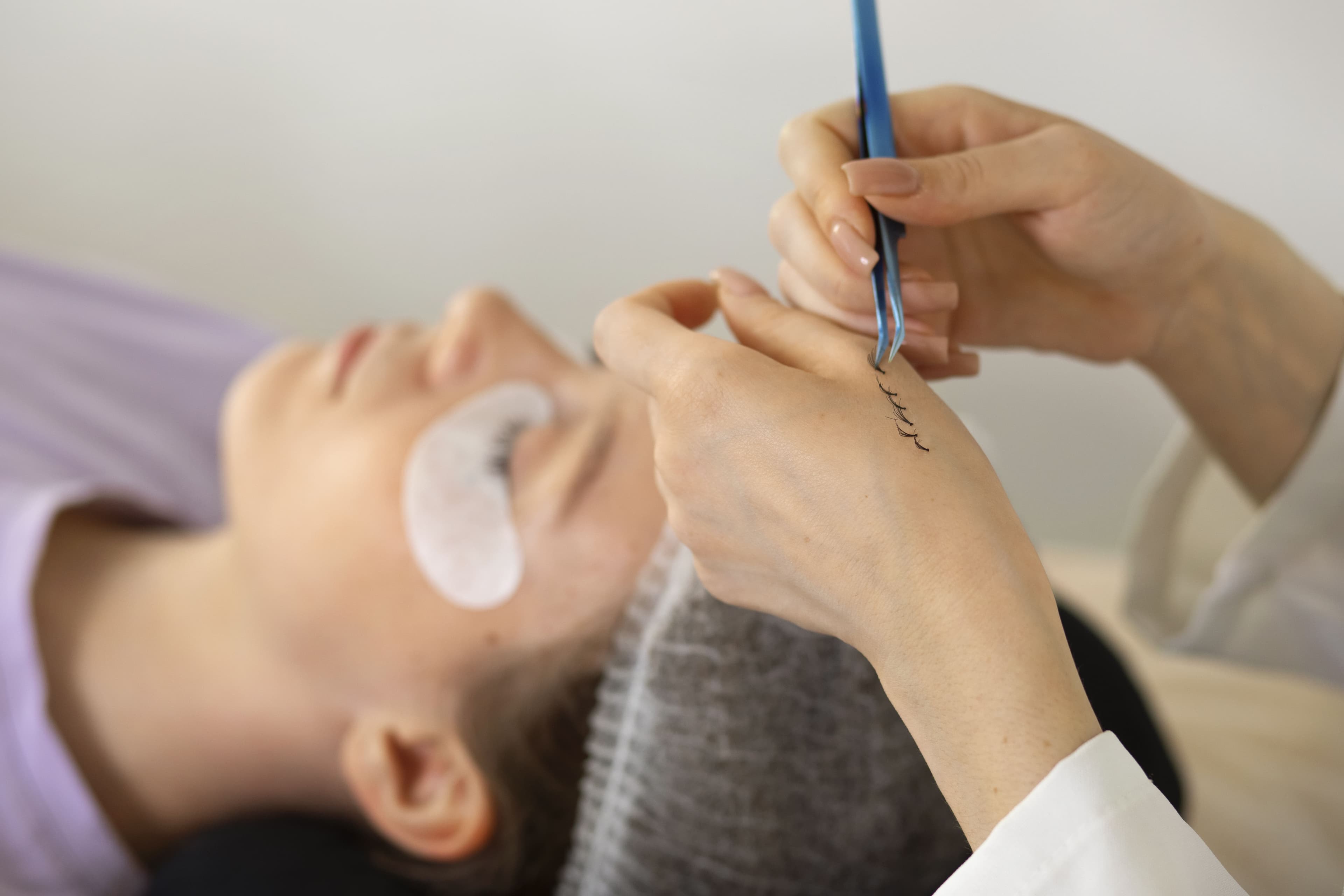
The global lash extension market was valued at $4.1 billion in 2024, with an annual growth rate of 5.5% projected through to 2035 (Market Research Future, 2025). London is one of Europe's most mature markets in this sector: lash artists trained in the most demanding techniques, studios built exclusively around lashes, and a client base structured enough that a touch-up every three to four weeks has become the norm rather than the exception. For a concise overview of the market, see our lash bar London guide.
What Is a London Lash Bar?
Specialist Studio vs General Salon: What Is the Actual Difference?
A lash bar focuses its entire offering on lashes — extensions, lift, tinting, and nourishing treatments. The distinction from a general beauty salon is not merely cosmetic: a lash artist completing six or more sets per day builds the technical repetition that generalist practitioners, who treat lashes as a secondary service, simply cannot replicate. The quality of lash-by-lash isolation, the precision of the attachment point, and the consistency of diameter across a Russian volume set all depend directly on that daily practice volume.
In London, three market segments coexist: high-volume high-street operations, independent mid-market studios, and single-technician premium spaces. Pricing varies by a factor of two between East London and addresses in Mayfair or Knightsbridge.
How to Identify a Qualified Lash Artist in London
The reference certification in the United Kingdom is awarded by BABTAC (British Association of Beauty Therapy & Cosmetology). BABTAC-affiliated lash artists have validated decontamination and sterilisation protocols — a non-negotiable prerequisite for treatments involving cyanoacrylate adhesive in close proximity to the ocular mucosa. A NVQ Beauty Therapy Level 3 (awarded by VTCT) with a lash extension unit is a second valid qualification marker.
Pro Tip
Ask when booking how many sets the technician completes per week. Fewer than fifteen per week means lashes remain an add-on service. Thirty or more per week — six sets across a standard working day — signals genuine specialisation and the accumulated repetition that produces reliable technical results.
Techniques Available at London Lash Bars
Classic Lash Extensions: Who Are They For?
Classic application involves placing a single extension onto each natural lash in the anagen (active growth) phase. Isolation is the critical factor: a lash bonded to a neighbour in the telogen (shedding) phase causes grouped loss and client discomfort. The fibre used — synthetic mink, silk, or lightweight feather-touch fibre — ranges from 0.15 to 0.20 mm in diameter for a natural result. This format suits clients looking for discreet density without added weight.
Russian Volume and Mega Volume: Intensity and Technical Precision
Russian volume involves hand-crafting fans of two to six ultra-fine extensions (0.03 to 0.07 mm) and placing them on a single natural lash. High-end studios hand-make each fan to guarantee ocular symmetry and directional consistency. Mega volume (eight to sixteen extensions per natural lash) demands complete mastery of adhesive viscosity and polymerisation: excess glue on a fan creates stiffness that weakens the natural lash and shortens retention.
Hybrid Lashes: the Dominant Format
Hybrid application alternates classic extensions and Russian volume fans across the same lash line, producing a textured, three-dimensional result. According to Treatwell 2024 booking data, this format has become the most requested in several London boroughs, particularly across North and South West London. The appeal: visible density with a natural finish, without the occasionally solid look of poorly executed Russian volume.
London Scene
According to Treatwell 2024 booking data, hybrid sets now account for over 50 per cent of new extension bookings across several London boroughs — a decisive shift from the classic-dominant market of 2021–2023. Islington led this adoption earlier than most.
Lash Lift: Enhancement Without Extensions
A lash lift works on the natural lash itself. Each lash is secured to a silicone rod with a water-soluble adhesive, then treated with a lifting solution that breaks the disulphide bonds in keratin, followed by a neutraliser that locks in the new curl. Certified London studios most commonly use Elleebana or Belmacil systems. A lash tint integrates into the same protocol without significantly extending the appointment. The treatment takes 45 to 60 minutes; results last six to eight weeks.
Which Area of London for Which Type of Client?
East London (Shoreditch, Hackney, Bethnal Green): Technical Value
East London remains the most competitive area on pricing, with rates running 15 to 25% below central London. The density of independent studios is high, and several of London's most technically skilled lash artists work from unlabelled rented spaces. The client base here is knowledgeable and demands technical rigour above all else.
South West London (Fulham, Clapham, Putney, Richmond): Retention and Natural Finish
South West London leads the segment of clients on regular refill cycles. Studios here calibrate their work around the long-term health of the natural lash rather than immediate visual impact. London Lash Studio, open since 2015 in Fulham (one minute from Fulham Broadway), has positioned itself on classic semi-permanent extensions and LVL lash lift with an exclusive specialism — no body treatments, no nail services.
North London (Islington, Highbury): Hybrid Lash Epicentre
Islington adopted hybrid lashes ahead of most other London areas. Studios in this zone are skilled in the specific mapping this format requires and in managing fans across sparse sections of the lash line.
Central London (Covent Garden, Fitzrovia, Knightsbridge): Premium Studios
Chic Lash Boutique operates a short walk from Covent Garden, Leicester Square and Embankment, focusing on Russian volume and hybrid sets in a studio dedicated exclusively to extensions. Iris Avenue (Fitzrovia, two minutes from Oxford Circus) has built a reputation for refined, natural-looking extensions for clients seeking a subtle yet structured result.
Reference Lash Bars in London
For an additional editorial selection, see Harper's Bazaar UK — Best Lash Bars London.
Edy London: The Celebrity Reference Near Oxford Street
Edyta Kurowska (Edy London) works seconds from Selfridges. Her specialism: feather extensions, customised to each eye shape, undetectable to the untrained eye. She is the archetype of the London single-technician premium studio, regularly featured in the British beauty press.
Iris Avenue (Fitzrovia): Natural Extensions in Central London
Iris Avenue focuses on an elegant, natural finish with a clear emphasis on result longevity. Its location — between Oxford Circus, Soho and Tottenham Court Road — makes it accessible from most central London areas.
London Lash Studio (Fulham): Lash Specialist Since 2015
London Lash Studio works exclusively with classic extensions, Russian volume and LVL lash lift. Every set is calibrated to the client's individual eye shape, with no standardised catalogue.
Chic Lash Boutique (Covent Garden): Volume and Hybrid in Central London
Chic Lash Boutique applies proprietary isolation techniques across classic, hybrid and Russian volume formats. Its location — minutes from four major tube stations — reduces the logistical burden for longer appointments (90 to 150 minutes for a full mega volume set).
Boudoir Lashes (Greenwich): Premium Clientele, Full Service
Boudoir Lashes, Asma Docrat's studio at Cable Walk in Greenwich, covers extensions, semi-permanent make-up, brow threading and lamination. It is one of the few London addresses where lash work and brow services reach the same level of expertise.
Technical Criteria for Choosing Your Studio
How Many Sets Per Day Does the Technician Complete?
Fewer than three sets per day means extensions remain a secondary service. Six or more sets per day build the repetition that makes isolation, diameter consistency and bilateral symmetry reliably reproducible across clients.
BABTAC or NVQ: Which Certification Matters?
BABTAC is the reference body in the UK for lash professionals. Affiliated studios have validated decontamination protocols, sterilisation of reusable tools, and pathogen management procedures. NVQ Level 3 Beauty (VTCT) with a lash extension unit is the standard initial qualification. Any studio that mentions neither warrants verification before booking. The BABTAC public directory is searchable by postcode.
Hygiene, Sterilisation and Consumables
Consumables — hydrogel patches, microbrushes, precision applicators, adhesive rings — must be new for each client. Reusable tools (precision tweezers, inspection mirror) require medical-grade decontamination between appointments. The adhesive ring should be changed at regular intervals during the set to prevent premature oxidation of the adhesive in the well.
Pro Tip
When visiting a new studio, ask about adhesive storage conditions. Cyanoacrylate adhesive degrades rapidly if stored outside temperature-controlled conditions. Studios that invest in proper storage produce more consistent bonds and better retention results.
Lash Styles and Eye Shapes
Cat Eye, Doll Eye, Wispy, Wet Look: How to Choose
- Cat eye — Longer extensions on the outer corners, elongated effect. Ideal for almond and close-set eyes.
- Doll eye — Maximum length at the centre, rounded effect. Ideal for almond and wide-set eyes.
- Wispy / spikes — Irregular fans with integrated spikes, natural texture. Versatile across all eye shapes.
- Wet look — Fused fans for a high-gloss mascara effect. Best for dense lash lines and an intense gaze.
- Natural — Fine diameter, J or B curl, invisible density boost. Suits all eye shapes.
Lash mapping defines the direction and length zone by zone before the set begins. Executed well, it compensates for a natural asymmetry in the brow arch and balances the perceived symmetry of both eyes.
Natural vs Dramatic: The Technical Variables
A natural result rests on three parameters: fibre diameter of 0.05 to 0.07 mm, B or C curl, length no more than 2 mm beyond the natural lash. A dramatic finish moves up to 0.07–0.10 mm diameter, D or L curl, with spikes at the outer corners. Fibre thickness also determines flexibility and thermal resistance: lightweight fibres hold better in humid conditions than rigid ones.
Aftercare and Retention
The First 24 Hours After Application
The first 24 hours determine the longevity of the entire set. No water contact (shower, steam, swimming pool), no make-up on the lash line, no rubbing. Cyanoacrylate adhesive completes its polymerisation within this window; premature moisture exposure weakens the bond before it stabilises.
Lash Shampoo and Sealant
Lash shampoo should be applied gently with a microbrush or spoolie from the third day post-application. Daily cleansing removes sebaceous residue that degrades the adhesive. A sealant applied to the base of the extensions after full drying reinforces the bond and extends retention. No waterproof mascara, no oil-based remover: both dissolve cyanoacrylate adhesive.
Pro Tip
London Lash Pro and Borboleta both produce foam lash cleansers specifically formulated to clean extensions without degrading the adhesive bond. Purchase one before your appointment so the routine is already in place from day three.
How Often Should You Book a Refill?
A refill (infill) is recommended every three to four weeks. Beyond four weeks, the sparse areas become too extensive for a coherent fill, and a full new set is required. In London, infill prices range from £45 to £90 depending on area and studio.
Pricing and Budget
Treatment East London South West London Central / Premium Full classic set £60–£90 £80–£120 £100–£160 Full Russian volume £80–£120 £100–£150 £130–£200 Full hybrid set £75–£110 £90–£140 £120–£180 Full mega volume £100–£150 £120–£180 £150–£220 Lash lift + tint £50–£70 £60–£85 £80–£120 Infill / refill £40–£65 £50–£75 £65–£100
Annual Budget for a Regular Client
A client on a monthly refill cycle (twelve infills per year plus one full set annually for a reset) represents a spend of £600 to £1,500 depending on area and technique. On the premium segment (Russian volume, central London), this rises to £1,800–£2,500. These figures exclude lash botox and optional nourishing treatments.
Lash Lift, Brow Lamination and Combined Treatments
Can You Combine a Lash Lift and Brow Lamination in One Appointment?
Combining a lash lift and brow lamination in a single session is standard practice in London studios equipped for both protocols. Total appointment time is approximately 90 minutes. Studios that offer this combination typically perform the lash lift first (using the setting time of the lifting solution), then move directly into brow lamination. Brow lamination uses hydrolysed keratin to train the brow hair into a fixed direction, with results lasting six to eight weeks.
For a full guide to combined appointments, see London's lash and brow studios.
Hydrolysed Keratin and Lash Botox
Lash botox is a nourishing treatment based on hydrolysed keratin, proteins and film-forming agents, applied either to extensions or to natural lashes. Despite the commercial name, no botulinum toxin is involved. The protocol complements an extension set or a lash lift by sealing the lash cuticle, adding shine and improving thermal resistance.
Contraindications and Safety
Allergy to Cyanoacrylate Adhesive
Adhesive fumes can trigger reactions in sensitised clients — watering eyes, eyelid swelling, or keratoconjunctivitis in severe cases. A patch test 48 hours before the appointment is the standard procedure recommended by BABTAC for certified studios. Hypoallergenic low-fume formulations make the treatment tolerable for many mildly sensitive clients; they do not eliminate risk for those with confirmed hypersensitivity. If in doubt, consult an ophthalmologist before booking.
Extensions During Pregnancy
Reputable London studios advise against or decline extensions during the first trimester of pregnancy, when the risk of sensitisation to adhesive fumes is heightened. After the first trimester, the treatment can proceed with adequate studio ventilation and hypoallergenic formulations. Clients must inform their lash artist of their situation before the consultation.
Frequently Asked Questions
Glossary
- Lash lift
- Chemical treatment that curls the natural lash from the root; no synthetic fibre added.
- Classic extensions
- One synthetic fibre applied to one natural lash; the foundation extension style.
- Russian volume
- Multiple ultra-fine fibres (0.03–0.07 mm) hand-made into a fan, applied to one natural lash.
- Mega volume
- Eight to sixteen ultra-fine fibres per natural lash; the most intensive volume format.
- Hybrid extensions
- A combination of classic and volume techniques within a single set.
- Anagen
- The active growth phase of the hair cycle; the only phase suitable for extension attachment.
- Telogen
- The shedding phase of the hair cycle; extensions attached here cause grouped loss.
- PBT
- Polybutylene terephthalate; the synthetic fibre used in quality lash extensions.
- Cyanoacrylate
- The adhesive compound used in lash extension application; cures via ambient moisture.
- Lash mapping
- Pre-application planning of extension length, curl and direction zone by zone.
- Infill
- A maintenance appointment (three to four weeks post-set) to replace shed extensions.
- Retention
- The percentage of extensions remaining between infill appointments; the primary quality indicator.
- BABTAC
- British Association of Beauty Therapy and Cosmetology; the UK's leading professional membership body.
- NVQ
- National Vocational Qualification; Level 3 Beauty with a lash unit is the industry standard initial qualification.
- Lash botox
- A keratin-based nourishing treatment; contains no botulinum toxin despite the commercial name.
Continue reading
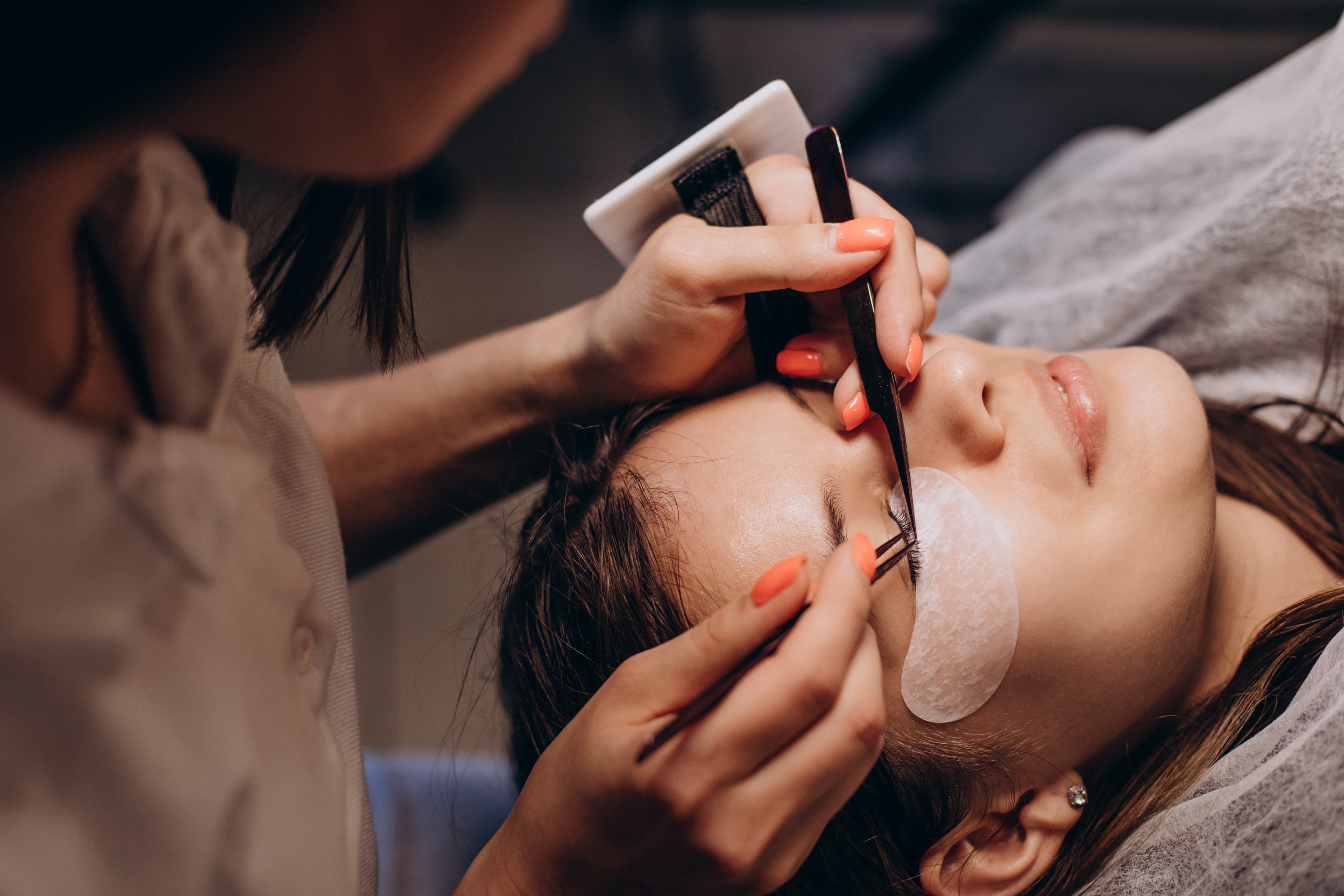
Lash Bar London — Where to Go for the Best Lash Work in 2025
The definitive guide to London's best lash bars in 2025 — what to look for, what to pay, and how to tell technically excellent work from a polished Instagram feed.
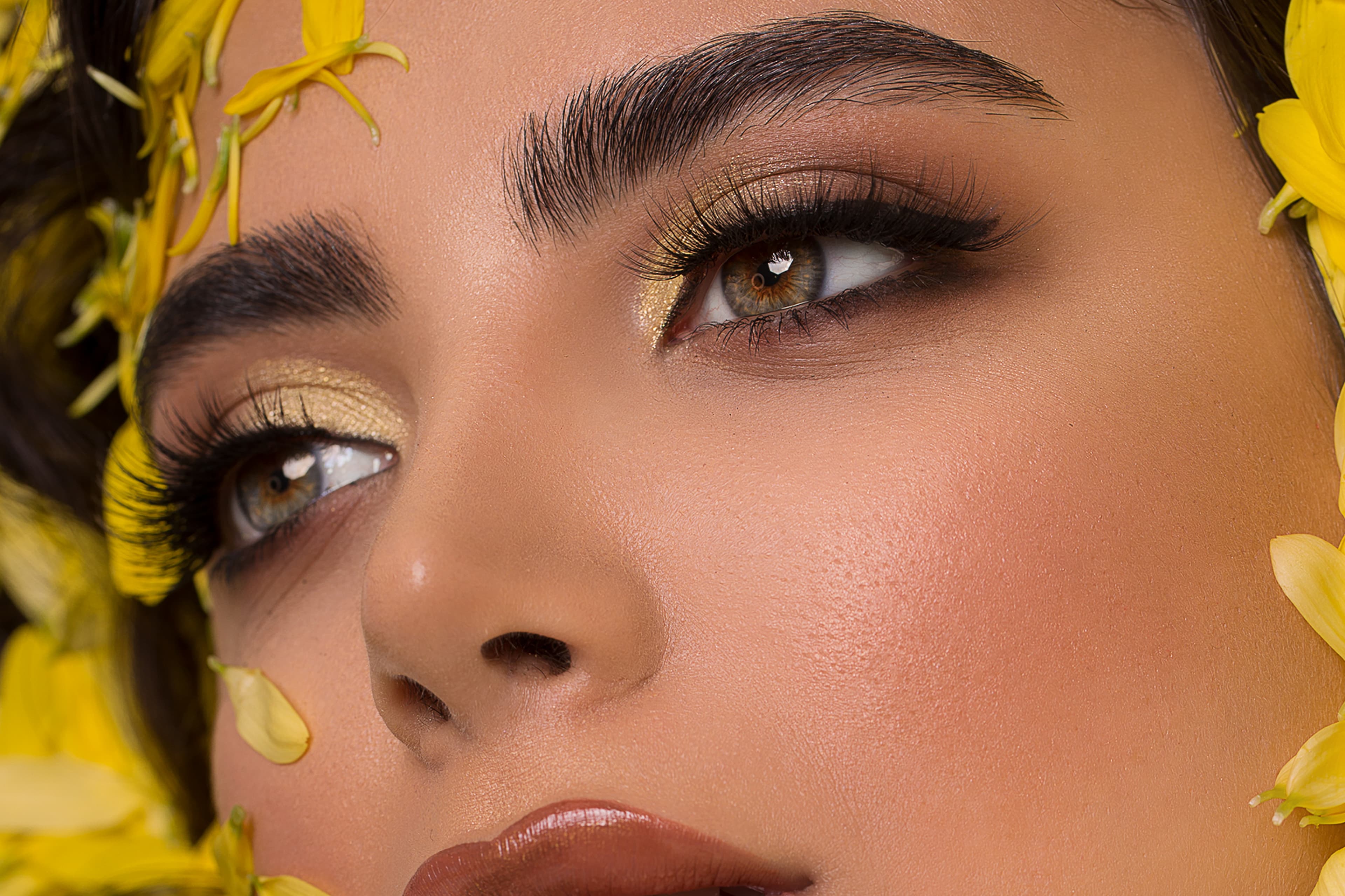
Lash and Brow London — The Ultimate Service Directory 2025
From lash lifts to brow lamination — London's most complete guide to combined lash and brow services, prices and certified technicians in 2025.
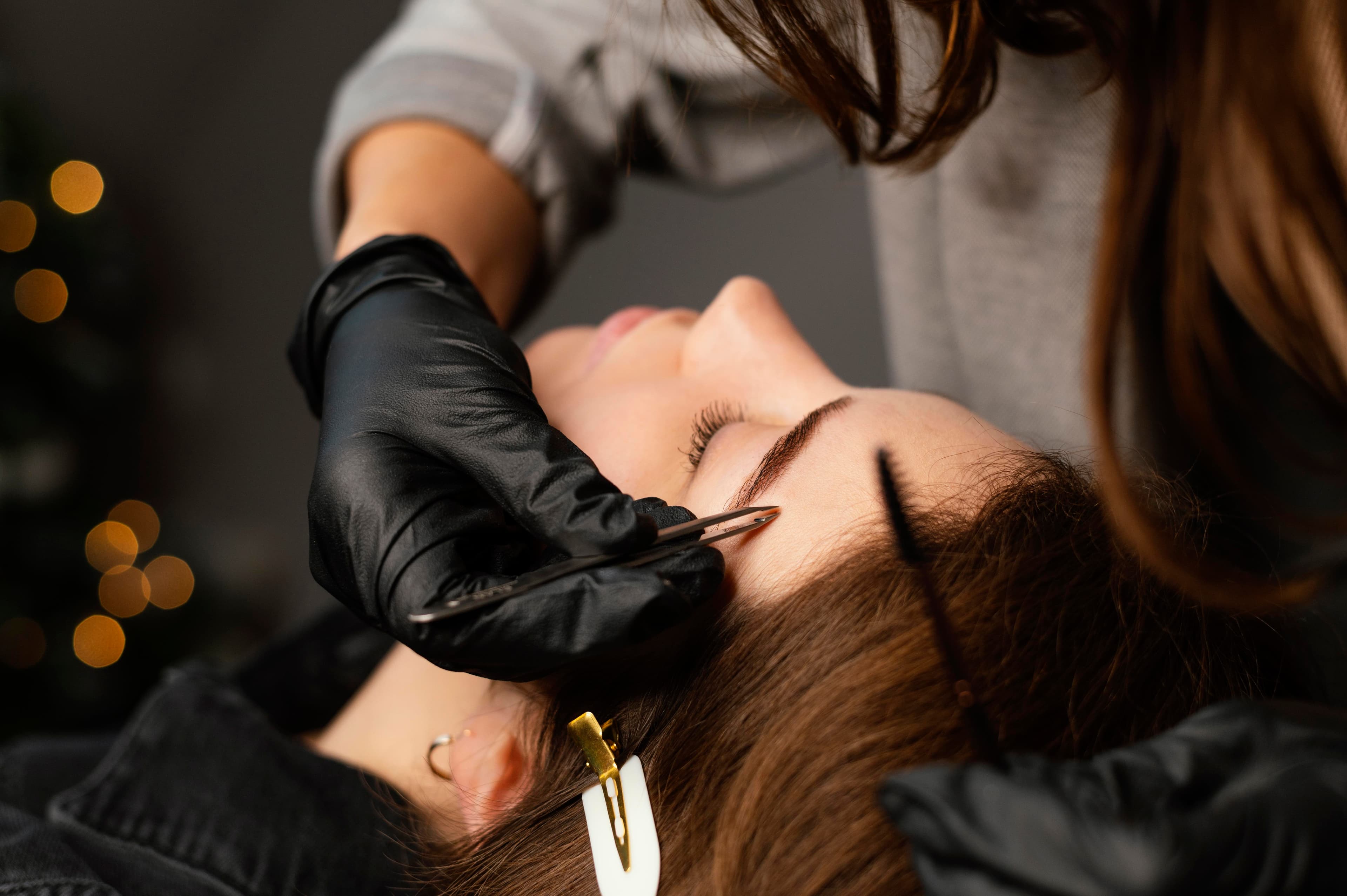
Brow Bar London — The Definitive Directory 2025
Threading, waxing, tinting, lamination — London's most comprehensive brow bar guide for 2025. What each treatment costs, where to book, and how to tell a technically skilled brow artist from one who is merely confident.