Lash Lift: The Complete Guide for 2026
From step-by-step application protocol to next-generation cysteamine formulas, this guide covers every aspect of lash lifting: technique, safety, aftercare, and 2026 trends. Written for both lash professionals and informed clients.
Sophie Hartley
13 April 2026
London-based makeup artist and beauty writer. 8 years across bridal and commercial sectors. BABTAC-affiliated.
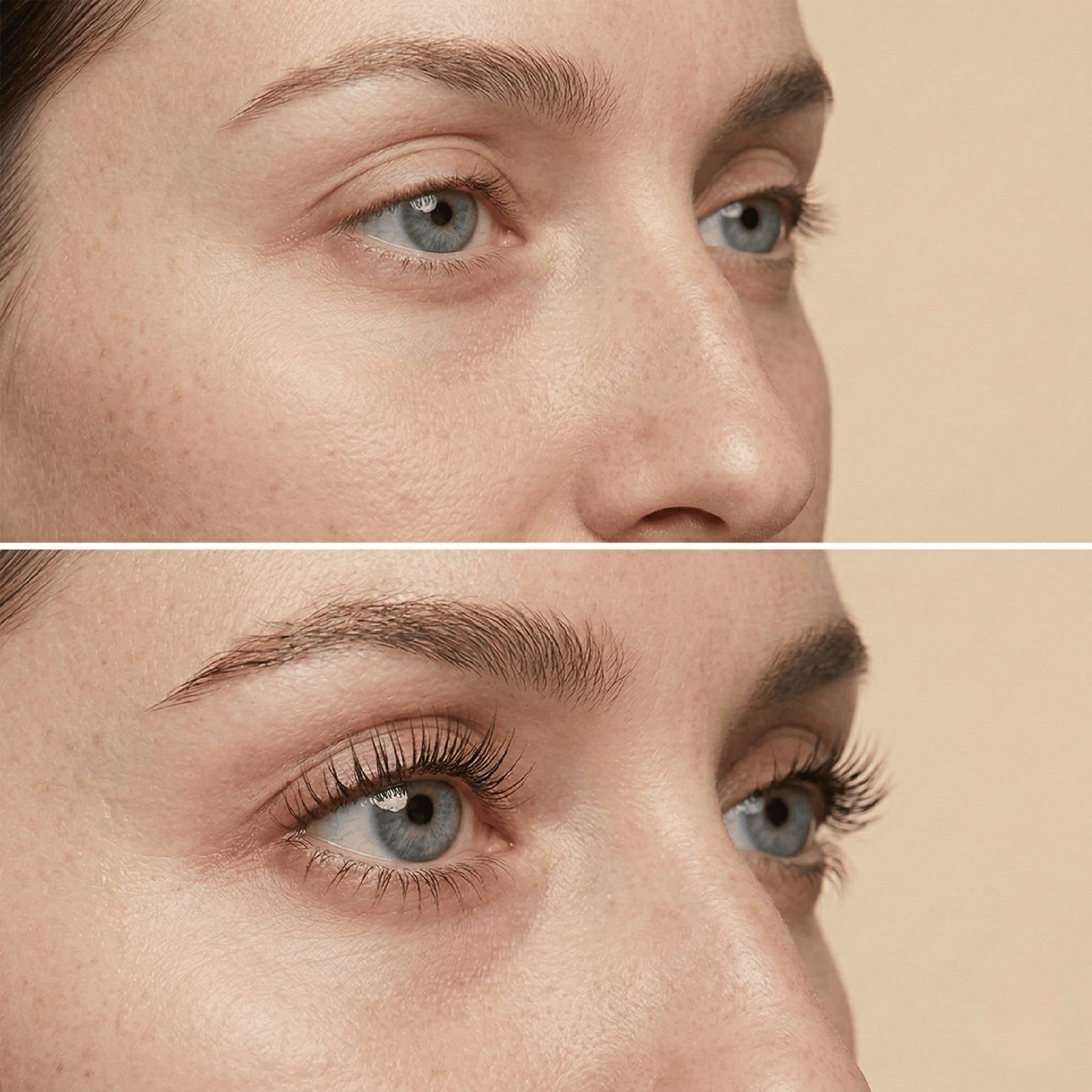
A lash lift restructures natural lashes on a silicone shield — no extensions, no infills, no daily mascara. In 2026, the Korean cysteamine technique has become the professional benchmark for a natural, airy curl on even the most fragile lash fringes.
A lash lift restructures natural lashes on a silicone shield, with no extensions added, and lasts 6 to 8 weeks. In 2026, the Korean technique using cysteamine formulas has become the professional benchmark for a natural, airy curl, increased conditioning, and greater safety on fragile lashes. The full protocol takes 45 to 70 minutes. The first 24 hours after treatment are critical for long-term hold. Korean technique specialists report retention of up to 10 weeks on suitable lash profiles.
The global lash and eye treatment market is valued at over USD 1.3 billion in 2026, reflecting the surging demand for non-invasive lash enhancement. If you are also considering brow work, combined lash and brow studios in London offer a practical same-visit alternative.
What Is a Lash Lift?
A lash lift is a cosmetic protocol that reshapes natural lashes from the root. The lifting lotion temporarily breaks the disulphide bonds within the lash's keratin structure, while the lash rests on a silicone shield whose curvature determines the final angle of the lift. The neutraliser then reseals those bonds and locks in the new lash shape.
No synthetic fibre is added. The treatment works exclusively on the existing lash fringe: the root-to-tip curve is elevated, the eye is defined without daily mascara, and visual density is enhanced without artificial volume.
How does a lash lift differ from extensions?
Extensions bond a synthetic fibre to each natural lash. A lash lift modifies only the structure of the existing lash. Maintenance is fundamentally different: a lift is retouched every 6 to 8 weeks, with no chemical removal or infill appointments in between. Clients who move away from extensions most commonly cite lash health, the demands of daily aftercare, and ongoing maintenance costs as their primary reasons.
For a full comparison of the London lash market — lifts, classic, and volume extensions — see our lash bar London guide.
Step-by-Step Protocol
The standard protocol follows six sequential steps:
- 1.Cleansing with a degreaser or lash cleanser — removes all traces of oil, make-up, and product residue from the lash fringe
- 2.Hydrogel patch application — protects the under-lash skin throughout the entire protocol
- 3.Water-soluble adhesive or balm on the silicone shield — secures lashes to the shield without mechanical damage
- 4.Positioning and isolation — each lash is aligned on the shield using a microbrush, with no overlapping
- 5.Sequential product application — lifting lotion (8 to 12 minutes depending on lash fineness and density), followed by neutraliser (6 to 8 minutes)
- 6.Removal and post-treatment — gentle cleansing, application of a revitalising serum or hydrolysed keratin nourishing treatment
Which silicone shield size for which lash profile?
The shield directly determines the angle and amplitude of the curl. A deeply curved shield on a short lash (under 8 mm) produces overcorrection and weakens the fibre. Flat shields, standard in the Korean technique, generate a soft curl across the full length of the lash. The basic rule: XS or S for short, fine lashes; M for standard length; L for long lashes or those with a pronounced natural curl.
Why is lotion timing so critical?
The lifting lotion acts on disulphide bonds within a limited window. Exceeding the prescribed time on a fine lash permanently weakens the fibre: the lash leaves the shield brittle, with no residual elasticity. Too short a processing time leaves bonds only partially open, and the curl fails to hold. New-generation cysteamine formulas offer a wider treatment window, which significantly reduces the risk of error in the treatment room.
What does the neutraliser do?
The neutraliser reseals the disulphide bonds in the new position set by the shield. Its oxidising composition — typically hydrogen peroxide-based at a controlled pH — stabilises the acquired curl. Insufficient neutralisation time compromises curl retention in the days immediately following treatment.
Pro Tip
Always time each step with a dedicated timer, not by eye. The difference between 9 and 13 minutes on a fine lash is the difference between a perfect curl and a client with brittle breakage at the next appointment.
The Korean Lash Lift in 2026
The Korean lash lift has redefined industry standards since 2024, and its global adoption in 2026 rests on three pillars: the quality of the natural finish, preservation of lash health, and directional mapping precision.
The Korean technique replaces the classic curved shield with a flat shield. Lashes are fanned out according to their natural directional growth, rather than being stacked uniformly. The standard water-soluble adhesive is replaced by a placement balm that protects the lash cuticle. The result is a personalised lift angle, lash by lash, with no artificially uniform curl.
London Scene
Korean-trained lash technicians in London — particularly in Soho, Marylebone, and South Kensington — have reported a shift in new client enquiries since late 2024, with clients specifically requesting the Korean flat-shield method by name. The technique now commands a premium of £20 to £40 over a standard lift across most London studios.
Balm mapping and flat shield: what is the technical logic?
The placement balm holds lashes on the shield without excessive mechanical tension. The balm's malleability allows micro-corrections of direction during application — something impossible once a water-soluble adhesive has set. The flat shield, positioned at the root rather than arching the full lash, concentrates the lift at the base of the lash, which is where the curl reads as most natural to the eye.
Cysteamine vs. glyceryl thioglycolate: which formula to choose?
Glyceryl thioglycolate is the traditional reducing agent in lash lifting. It acts quickly and produces a strong curl, but its irritation potential remains high on fine or colour-treated lashes. Cysteamine, an amino-acid reducing agent, acts more gradually on disulphide bonds with less chemical stress on the fibre. Because it works at a lower pH, it keeps lashes more flexible and gives the lash artist a longer, more forgiving processing window. In 2026, cysteamine formulas dominate professional premium kits designed for fragile, blonde, or previously treated lashes. The choice depends on the individual lash profile in the treatment room, not on trend alone.
| Feature | Cysteamine | Glyceryl Thioglycolate (TGA) |
|---|---|---|
| Processing speed | Slower, wider window | Faster |
| Best suited for | Fine, fragile, blonde lashes | Thick, coarse, healthy lashes |
| pH level | Lower — gentler on cuticle | Higher |
| Flat shield compatibility | Yes (required) | Generally not recommended |
| Risk of over-processing | Lower | Higher if mis-timed |
Pro Tip
Cysteamine is not slower because it is weaker — it is slower because it works at a lower pH with less mechanical stress on the keratin. The wider processing window is a technical advantage, not a compromise.
Hydrolysed Keratin and Nourishing Treatments
Post-protocol hydrolysed keratin is no longer a marketing extra: it is a genuine technical differentiator. Conditioning formulas applied after the neutraliser restore the cuticle disrupted by the reducing agent and seal moisture back into the fibre.
Professional ranges now routinely incorporate rice keratin, amino acids, and panthenol into their lift kits. These ingredients reinforce the mechanical resilience of the lash between appointments and visually prolong the curl.
Lash botox and nourishing protocols: complementary treatments
Lash botox is an intensive nourishing treatment using hydrolysed keratin and amino acids, applied between lifts or alongside the main protocol. It does not alter the curl: it restores fibre flexibility and reduces visible breakage along the lash fringe. Lash artists incorporate it into a quarterly maintenance protocol for clients with fine lashes or those undergoing repeated chemical treatments.
Contraindications
The list of contraindications to a lash lift is precise. A patch test 48 hours before the appointment remains mandatory for any new client, in line with UK cosmetic safety best practice.
Absolute contraindications:
- Documented allergy to lifting lotions, keratin, or perm products
- Very short lashes (under 4 mm): shield placement is anatomically impossible
- Brittle or severely weakened lashes: risk of irreversible breakage
- Active eye infection (conjunctivitis, stye)
- Recent eye surgery: wait a minimum of 6 to 8 weeks
- Severe dry eye syndrome
- Glaucoma
- Active chemotherapy or radiotherapy
- Lash alopecia or trichotillomania
- Lash extensions in place (professional removal required before treatment)
Relative contraindications (medical advice recommended):
- Pregnancy and breastfeeding
- Hormonal treatment or high-dose vitamins
- Recent LASIK surgery (delay to be confirmed with the treating ophthalmologist)
Pregnancy, breastfeeding, and eye surgery: what does the protocol say?
No study confirms systemic toxicity from lifting lotions during pregnancy, but percutaneous absorption of reducing agents in the peri-ocular area has not been formally documented. The professional consensus is to decline the treatment and refer the client to their ophthalmologist.
Can a lash lift be performed over extensions?
No. Lash extensions alter the natural lash surface through residual cyanoacrylate adhesive. The lifting lotion reacts unpredictably on that surface and produces inconsistent results. Removal must be carried out by a qualified lash artist — the client must not attempt it at home.
Pro Tip
If a new client arrives claiming their extensions have "fully grown out", inspect the lash line before proceeding. Residual adhesive bonding is invisible until a lotion reacts to it. When in doubt, defer to a proper removal appointment first.
Aftercare: The 48 Hours That Matter
The first 24 hours after a lash lift are the most critical window for long-term hold. Water, steam, and mechanical friction all interfere with the final polymerisation of the keratin bonds.
Day 0 to Day 1:
- No water contact on the lash fringe
- No mascara, eye make-up remover, or eye-area treatment
- No sauna, steam room, pool, or intense physical exercise
- Sleep on your back: pressing the face against a pillow mechanically deforms a freshly set curl
From Day 2 onwards:
- Gentle cleansing with an oil-free lash shampoo
- Oil-free eye make-up remover in the eye contour area
- Daily application of a revitalising serum and a comb-through with a spoolie morning and evening
- Avoid waterproof mascaras: aggressive removal wears down the curl over time
Which nourishing treatments to use between lifts?
A hydrolysed keratin revitalising serum, applied daily with a spoolie, nourishes the fibre between appointments. Some professional ranges offer combined formulas with keratin, panthenol, and a lightweight plant oil. The aim is not to accelerate lash growth but to maintain the flexibility and resilience of the existing lash fringe.
How Long Does It Last?
Standard lash lift retention is 6 to 8 weeks. This figure varies according to three factors: the hair growth cycle phase at the time of treatment (lashes in the anagen phase hold longest), adherence to aftercare in the 48 hours following the protocol, and the frequency of waterproof mascara use.
The anagen phase of a natural lash lasts on average 30 to 45 days, compared to 2 to 6 years for scalp hair. This short cycle explains the relatively rapid turnover of the lash fringe. Lashes in the telogen phase (end of cycle, imminent shedding) fall naturally in the weeks following treatment, taking their curl with them. The result fades gradually rather than all at once: this is the expected behaviour of a well-executed lift.
London Scene
Korean technique specialists working in London consistently report retention of 9 to 10 weeks on clients with medium-to-thick lashes in the anagen phase at the time of treatment, combined with rigorous oil-free aftercare. This is meaningfully beyond the 6 to 8 week industry standard for classic lifts.
System Comparison: Korean, LVL, Lash Bomb
| System | Technique | Reducing agent | Appointment | Strength | Limitation |
|---|---|---|---|---|---|
| Korean lash lift | Flat shield + balm mapping | Cysteamine | 50–70 min | Natural finish, up to 10 wks | Longer learning curve |
| LVL Lashes | Flat shield, three sizes | TGA or cysteamine | 45–60 min | Consistent, precise protocol | Less personalisation |
| Lash Bomb | Curved silicone shield | Glyceryl thioglycolate | 45–55 min | Strong curl, accessible training | Less suited to fragile lashes |
Lash Artist Training in 2026
Lash lift training has professionalised significantly. Credible certifications now cover lotion chemistry, lash profile assessment, contraindication management, and in-salon safety protocols — not merely application technique.
Mastering the Korean lash lift requires dedicated training. The mapping logic, balm placement, and flat shield technique cannot be learnt by simply transposing a classic protocol. Lash artists transitioning from the classic to the Korean method consistently describe an adaptation period of 3 to 5 treatments before achieving reproducible results.
Pro Tip
When evaluating a training provider, ask specifically whether the course covers lash profile assessment and contraindication management — not just the application sequence. A provider that skips these modules is teaching a technique, not a protocol.
Lash Lift Pricing in 2026
Prices below reflect the UK market in 2026 and vary according to geographical location, salon positioning, and the professional kit brand used. A lash artist certified in the Korean technique typically operates at the upper end of the range.
| Treatment | Price range (UK, 2026) |
|---|---|
| Lash lift only | £55 to £90 |
| Lash lift + tint | £75 to £110 |
| Korean lash lift (premium technique) | £80 to £120 |
| Lash lift + keratin nourishing treatment | £85 to £130 |
| Touch-up (under 4 weeks) | £40 to £60 |
Glossary
- Lash lift
- Cosmetic protocol that restructures the curl of natural lashes on a silicone shield, with no added fibre
- Korean lash lift
- Lifting technique using a flat shield, placement balm, and directional mapping for a natural finish
- Silicone shield
- Flexible form placed on the mobile eyelid to which lashes are secured during the protocol; its curvature determines the angle of lift
- Lifting lotion
- Chemical solution (reducing agent) applied to lashes to soften the keratin's disulphide bonds
- Cysteamine
- Amino-acid reducing agent, gentler than TGA, suited to fine, fragile, or previously treated lashes
- Glyceryl thioglycolate (TGA)
- Traditional lash lift reducing agent; fast-acting with higher irritation potential
- Neutraliser
- Oxidising solution applied after the lifting lotion to reseal and fix the keratin bonds in their new position
- Hydrolysed keratin
- Fragmented protein applied as a post-protocol treatment to restore and nourish the lash fibre
- Lash fringe
- All natural lashes on one eyelid
- Aftercare
- All care and restrictions to be observed in the 24 to 48 hours following treatment to set the curl
- Anagen phase
- Active growth phase of the lash, during which a lift produces the most durable results
- Balm mapping
- Technique for positioning lashes on the shield using a flexible balm rather than a standard adhesive
- Patch test
- Application of the product to the skin 48 hours before treatment to detect sensitivity or allergy
- Lash botox
- Intensive nourishing treatment with keratin and amino acids, applied alone or alongside a lift
- Directional mapping
- Technique for placing each lash according to its natural growth direction rather than a uniform alignment
FAQ
Continue reading
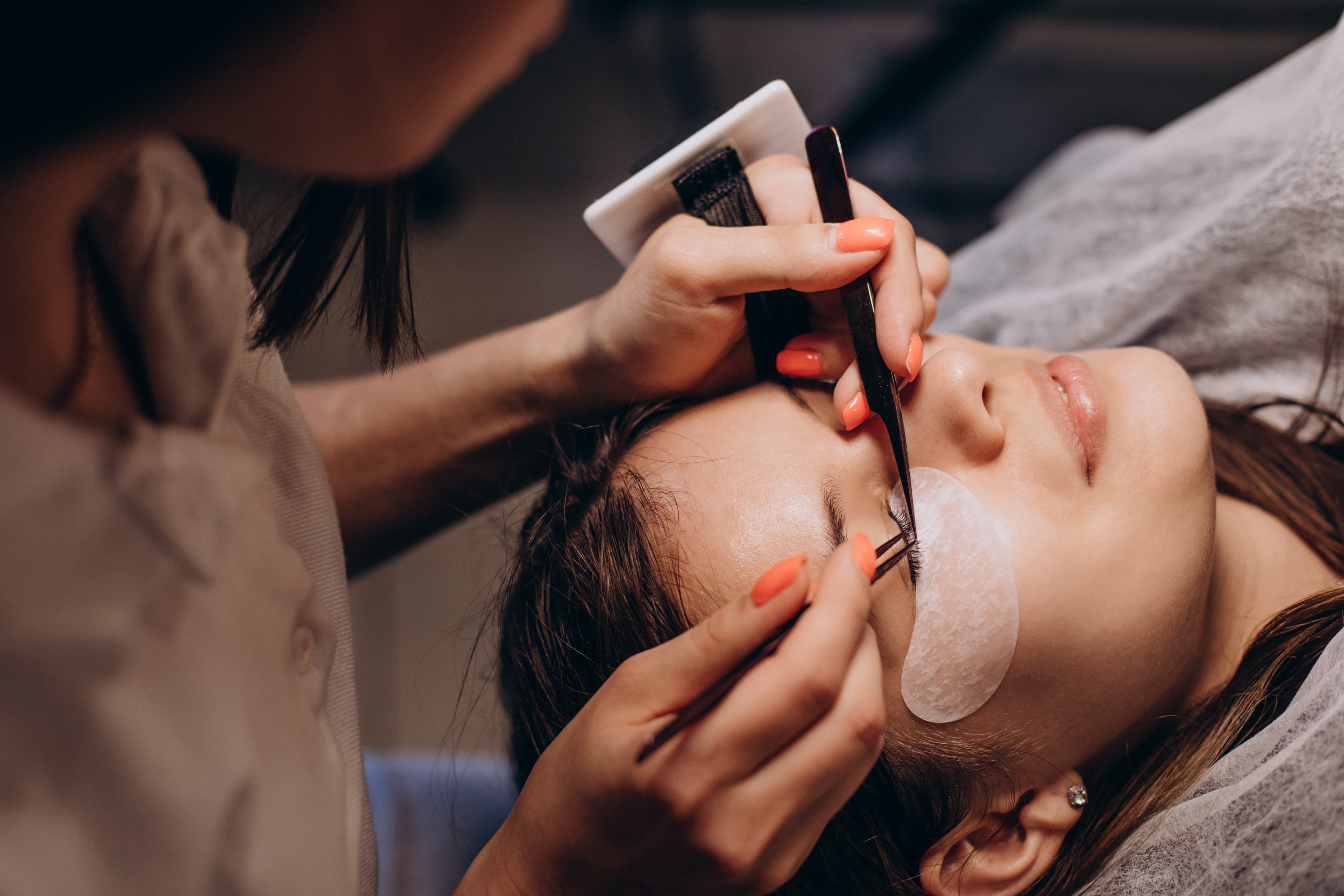
Lash Bar London — Where to Go for the Best Lash Work in 2025
The definitive guide to London's best lash bars in 2025 — what to look for, what to pay, and how to tell technically excellent work from a polished Instagram feed.
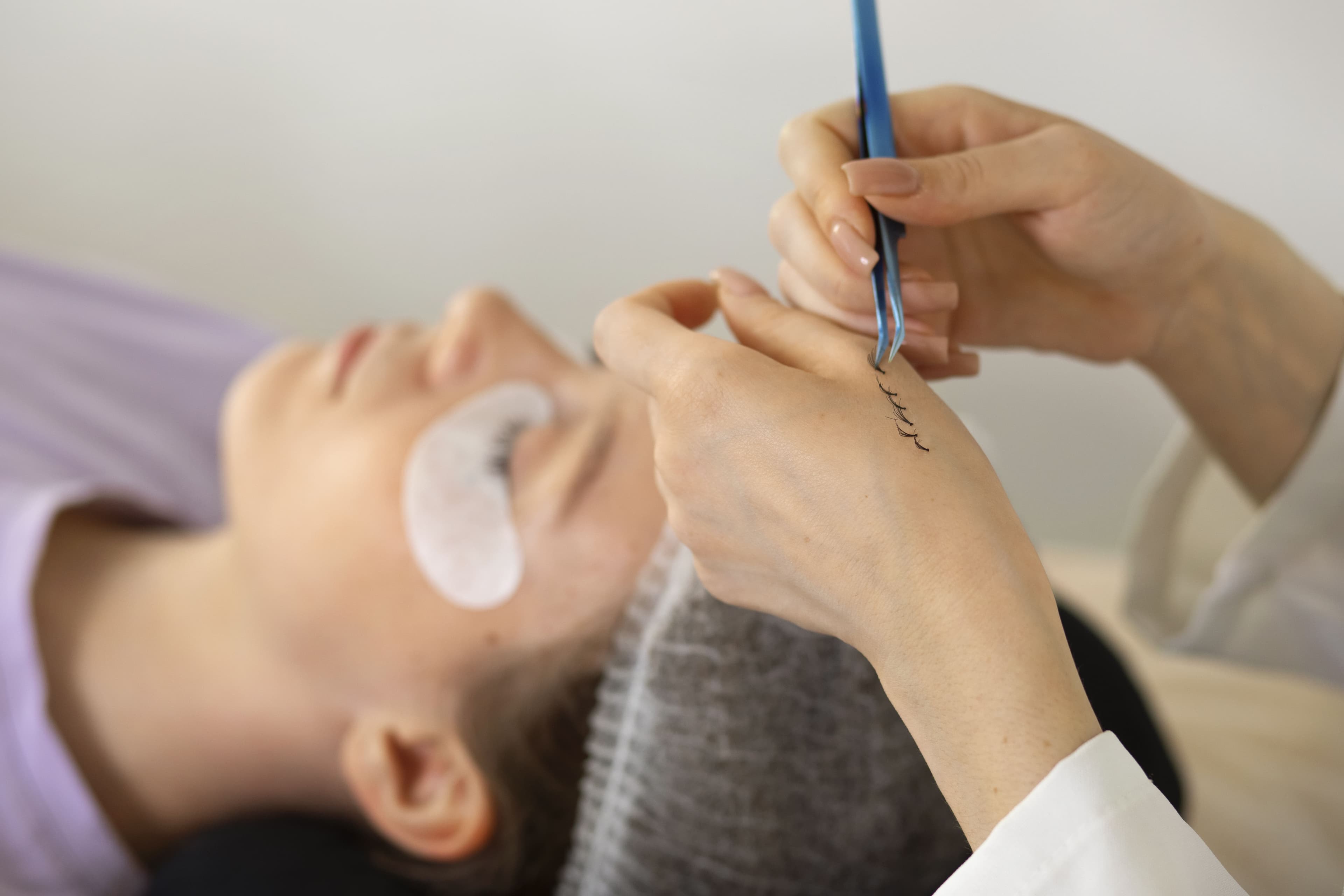
Lash Bar London — Where to Go for the Best Lash Work
Treatwell lists several hundred active lash studios across London, ranging from budget high-street salons to single-technician premium spaces charging up to £200 per set. Choosing the right one comes down to three criteria: daily appointment volume, BABTAC or NVQ certification, and mastery of adhesive polymerisation conditions.
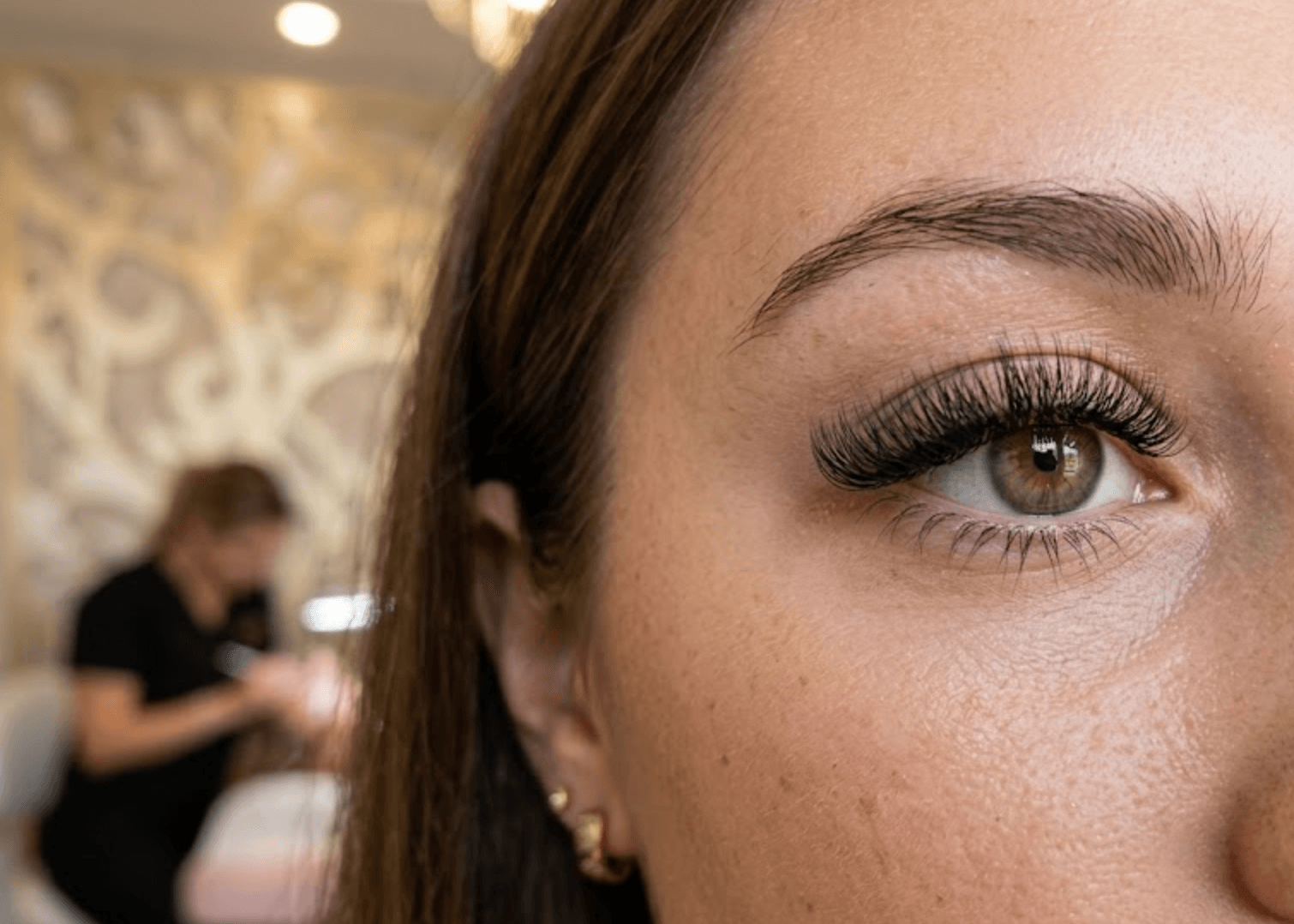
London Lash Extension Course: How to Choose the Right One
Accreditation, case studies, kit and prerequisites decide whether a London lash course leaves you insurable and earning — or holding a certificate no insurer recognises. A practical guide to reading the offer before you book.